Change Language :
Surface speed of iglidur materials
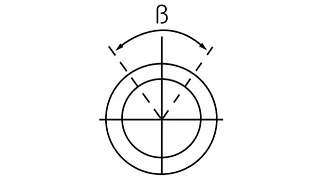
With varying speeds for example with pivoting movements, the value needed is the average surface speed v (see above formula).
d1
Bearing inner diameter [mm]
f
Frequency [s]
β
Angle [°]
n
Revolutions per minute
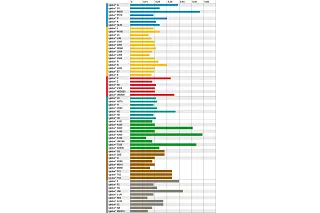
Diagram 01: Coefficient of friction of the iglidur materials on a Cf53 shaft, rotating
Permissible surface speeds
iglidur plain bearings have been developed for low to medium surface speeds in continuous operation.
Tables 1 and 2 show the permissible surface speeds of iglidur plain bearings for rotating, pivoting and linear movements.
These surface speeds are limits assuming minimal pressure of the bearings.
In practice these limits are not often reached due to the alternating effect of influences. Each increase in compressive strength inevitably leads to a reduction in the permissible surface speeds and vice versa. For more information, see pv value.
The speed limit is determined by the bearing's temperature increase. This is also the reason why different surface speeds can occur for different movement types.
During linear movements, more heat can be dissipated via the shaft as the bearing uses a longer surface area on the shaft.
Surface speed and wear
Considerations regarding the permissible surface speeds should also include the wear resistance of the plain bearings. High surface speeds automatically result in correspondingly high wear rates. With higher surface speed, not only the wear rate rises but also the absolute wear.
Surface speed and coefficient of friction
In practice the coefficient of friction of plain bearings is a result of the surface speed. High surface speeds have a higher coefficient of friction than low surface speeds. Diagram 01 shows this relationship by using the example of a steel shaft (Cf53) with a load of 0.7MPa.
Table 1: Selection of iglidur materials and their max. recommended (long-term) surface speeds in m/s
Have you not found the required material? There is extensive data on all materials and data sheets in our online shop.
| Material | Rotating | Oscillating | Linear |
|---|---|---|---|
| Standards | |||
| iglidur G | 1 | 0.7 | 4 |
| iglidur J | 1.5 | 1.1 | 8 |
| iglidur M250 | 0.8 | 0.6 | 2.5 |
| iglidur W300 | 1 | 0.7 | 4 |
| iglidur X | 1.5 | 1.1 | 5 |
| General purpose | |||
| iglidur K | 1 | 0.7 | 3 |
| iglidur P | 1 | 0.7 | 3 |
| iglidur GLW | 0.8 | 0.6 | 2.5 |
| Endurance runner | |||
| iglidur J260 | 1 | 0.7 | 3 |
| iglidur J3 | 1.5 | 1.1 | 8 |
| iglidur J350 | 1.3 | 1 | 4 |
| iglidur L250 | 1 | 0.7 | 2 |
| iglidur R | 0.8 | 0.6 | 3.5 |
| iglidur D | 1.5 | 1.1 | 8 |
| iglidur J200 | 1 | 0.7 | 10 |
| High temperatures | |||
| iglidur V400 | 0.9 | 0.6 | 2 |
| iglidur X6 | 1.5 | 1.1 | 5.4 |
| iglidur Z | 1.5 | 1.1 | 5 |
| iglidur® UW500 | 0.8 | 0.6 | 2 |
| High media resistance | |||
| iglidur H | 1 | 0.7 | 3 |
| iglidur H1 | 2 | 1.0 | 5 |
| iglidur H370 | 1.2 | 0.8 | 4 |
| iglidur H2 | 0.9 | 0.6 | 2.5 |
| Contact with food | |||
| iglidur A180 | 0.8 | 0.6 | 3.5 |
| iglidur A200 | 0.8 | 0.6 | 2 |
| iglidur A351 | 1 | 0.8 | 2.5 |
| iglidur A500 | 0.6 | 0.4 | 1 |
| iglidur T220 | 0.4 | 0.3 | 1 |
| Special application areas | |||
| iglidur F | 0.8 | 0.6 | 3 |
| iglidur H4 | 1 | 0.7 | 1 |
| iglidur Q | 1 | 0.7 | 5 |
| iglidur A290 | 1 | 0.7 | 3 |
| iglidur UW | 0.5 | 0.4 | 2 |
| iglidur B | 0.7 | 0.5 | 2 |
| iglidur C | 1 | 0.7 | 2 |
Table 2: Selection of iglidur materials and their max. recommended (short-term) surface speeds in m/s
Have you not found the required material? There is extensive data on all materials and data sheets in our online shop.
| Material | Rotating | Oscillating | Linear |
|---|---|---|---|
| Standards | |||
| iglidur G | 2 | 1.4 | 5 |
| iglidur J | 3 | 2.1 | 10 |
| iglidur M250 | 2 | 1.4 | 5 |
| iglidur W300 | 2.5 | 1.8 | 6 |
| iglidur X | 3.5 | 2.5 | 10 |
| General purpose | |||
| iglidur K | 2 | 1.4 | 4 |
| iglidur P | 1.4 | 4 | |
| iglidur GLW | 1 | 0.7 | 3 |
| Endurance runner | |||
| iglidur J260 | 2 | 1.4 | 4 |
| iglidur J3 | 3 | 2.1 | 10 |
| iglidur J350 | 2 | 2.3 | 8 |
| iglidur L250 | 1.5 | 1.1 | 3 |
| iglidur R | 1.2 | 1 | 5 |
| iglidur D | 3 | 2.1 | 10 |
| iglidur J200 | 1.5 | 1.1 | 15 |
| High temperatures | |||
| iglidur V400 | 1.3 | 0.9 | 3 |
| iglidur X6 | 3.5 | 2.5 | 10 |
| iglidur Z | 3.5 | 2.5 | 6 |
| iglidur® UW500 | 1.5 | 1.1 | 3 |
| High media resistance | |||
| iglidur H | 1.5 | 1.1 | 4 |
| iglidur H1 | 2.5 | 1.5 | 7 |
| iglidur H370 | 1.5 | 1.1 | 5 |
| iglidur H2 | 1 | 0.7 | 3 |
| Contact with food | |||
| iglidur A180 | 1.2 | 1 | 5 |
| iglidur A200 | 1.5 | 1.1 | 3 |
| iglidur A350 | 1.2 | 0.9 | 3 |
| iglidur A500 | 1 | 0.7 | 2 |
| iglidur A290 | 2 | 1.4 | 4 |
| iglidur T220 | 1 | 0.7 | 2 |
| Special application areas | |||
| iglidur F | 1.5 | 1.1 | 5 |
| iglidur H4 | 1.5 | 1.1 | 2 |
| iglidur Q | 2 | 1.4 | 6 |
| iglidur UW | 1.5 | 1.1 | 3 |
| iglidur B | 1 | 0.7 | 3 |
| iglidur C | 1.5 | 1.1 | 3 |
Tested in the test laboratory for use in the real world
All materials and products are checked in the igus test laboratory, the largest in the industry, under real-life conditions with regard to wear and durability. This makes it possible to accurately predict their service life.
Upon request, igus carries out customer tests to check product use under completely customised conditions.
Consulting
I look forward to answering your questions
OEM Finland OY+358 207499499Write e-mail
Shipping and consultation
In person:
Monday to Friday from 7 am - 17 pm.
Saturdays from 8 am- 12 pm.
Online:
24h
WhatsApp-Service:
Montag – Freitag: 8 – 16 Uhr